

Shipping Container Insulation Installation
Professional shipping container ventilation improves comfort, reduces condensation, increases energy efficiency, protecting containers for years across Oregon.
Professional Shipping Container Insulation for Lasting Performance
Container insulation and ventilation installation regulates interior temperatures, controls condensation, improves energy efficiency, and protects stored equipment, workspaces, offices, and living environments. Professional installation ensures durable performance, proper moisture management, and long-term reliability throughout demanding applications.

Why Professional Installation Makes the Difference
Properly insulating a shipping container involves much more than adding insulation materials. Ventilation placement, vapor control, sealing techniques, and thermal performance all affect long-term durability. Without careful planning, trapped moisture can lead to condensation, corrosion, mold growth, and reduced insulation performance. Iron Box designs each installation around the intended use, Oregon’s climate, and the container’s structural integrity to create a comfortable, efficient, and durable space.
Benefits include:
- Improved temperature control throughout every season
- Reduced condensation and moisture buildup
- Better energy efficiency for climate-controlled spaces
- Protection against corrosion and interior damage
- Healthier airflow through properly designed ventilation
- Longer-lasting insulation performance with professional installation
Built for Oregon Projects
Oregon’s changing weather, coastal moisture, mountain temperatures, and seasonal humidity all influence container performance. Iron Box designs insulation and ventilation systems that help reduce condensation, improve comfort, and protect valuable equipment for homeowners, businesses, farms, contractors, industrial facilities, and municipalities throughout Oregon while supporting long-term durability in diverse environments.
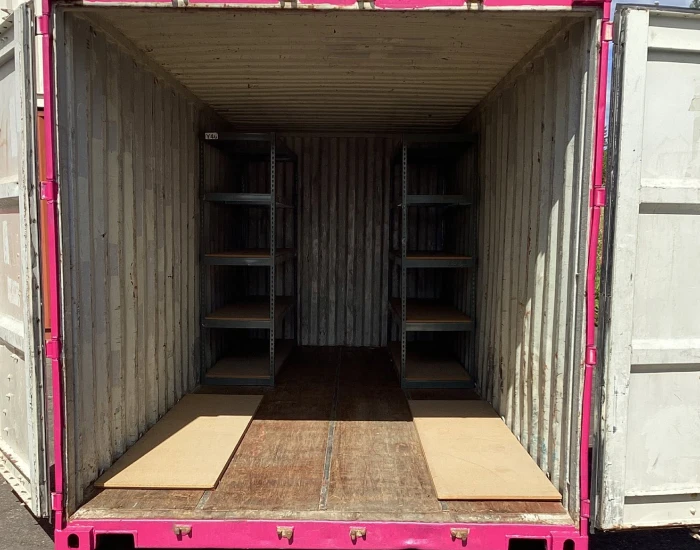
Insulation & Ventilation Options
Every container project has different performance requirements. We help customers select the right combination of insulation and ventilation based on intended use, climate exposure, and budget.
Spray Foam Insulation
Provides one of the highest insulation values while sealing gaps that allow moisture and air infiltration. Ideal for offices, workshops, tiny homes, and climate-controlled storage.
Rigid Foam Board Insulation
Offers excellent thermal performance while maximizing interior space. Suitable for equipment storage, commercial applications, and finished interiors.
Fiberglass Insulation
A cost-effective solution when installed with proper framing and vapor barriers. Often selected for interior build-outs where wall cavities already exist.
Passive Ventilation
Roof vents, side vents, and louver systems promote natural airflow without electricity. Excellent for storage containers, agricultural buildings, and equipment housing.
Powered Ventilation
Electric exhaust fans and intake systems continuously move air through the container, helping control heat and humidity in demanding environments.
Vapor Barriers & Moisture Control
Proper vapor management helps prevent condensation inside insulated walls, protecting both insulation materials and the container’s steel structure.
Our Shipping Container Insulation Process
Every installation follows proven planning, fabrication, and quality standards to ensure reliable long-term insulation performance and customer satisfaction.
Consultation & Planning
Evaluate project goals, insulation needs, ventilation requirements, budget, and container condition before installation begins.
Professional Installation
Install insulation, vapor barriers, ventilation components, and weather seals using proven fabrication techniques throughout carefully.
Final Inspection
Inspect workmanship, verify airflow, confirm insulation coverage, and ensure reliable long-term performance before project completion.
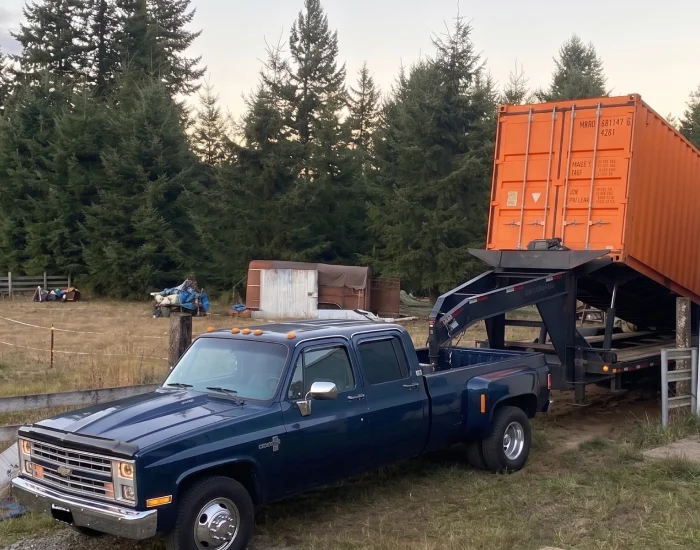
Common Applications
Professional insulation and ventilation significantly improve the usability of shipping containers across many industries.
- Container Offices
Creates a more comfortable workspace by reducing heat transfer and improving indoor air quality. - Workshops
Helps regulate temperatures while removing excess humidity generated by tools and equipment. - Agricultural Storage
Protects feed, supplies, and equipment from excessive heat and moisture. - Equipment Buildings
Reduces condensation that can damage valuable machinery, electrical equipment, and inventory. - Tiny Homes & ADUs
Improves year-round comfort while supporting HVAC efficiency and lowering energy costs. - Commercial Storage
Maintains a more stable environment for products sensitive to temperature fluctuations.
Why Choose Iron Box
Every modification project receives careful planning, skilled craftsmanship, and transparent communication from consultation through completion. Iron Box understands how insulation and ventilation work together to create comfortable, durable shipping container spaces while serving homeowners, businesses, contractors, farms, industrial facilities, and municipalities throughout Oregon with dependable scheduling and practical recommendations tailored to each project.
Why customers choose Iron Box
- Experienced container modification professionals
- Quality workmanship focused on long-term durability
- Honest recommendations without unnecessary upgrades
- Clear communication throughout every project
- Reliable scheduling and dependable service
- Statewide service across Oregon
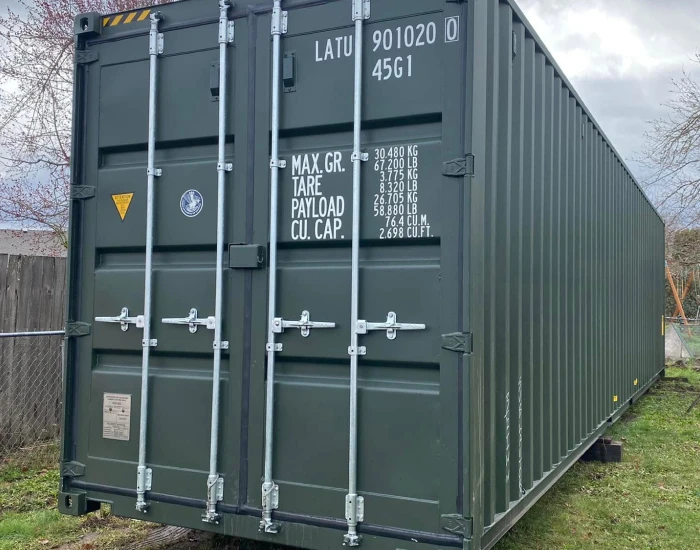
Related Services
Customers installing container doors and windows often combine their projects with:
- Custom Shipping Containers
- Spray Foam Insulation
- HVAC Installation
- Electrical Installation
- Interior Framing
- Flooring Installation
- Container Painting
- Window Installation
- Door Installation
- Shipping Container Offices
- Shipping Container ADUs
- Shipping Containers for Sale
Frequently Asked Questions
Ready for Professional Shipping Container Insulation?
Contact Iron Box today for durable insulated containers built around your Oregon project needs.