
40ft New Shipping Containers for Sale in Oregon
A new 40ft shipping container provides secure, enclosed space for equipment, inventory, construction materials, agricultural supplies, business storage, and conversion projects. Iron Box offers new and one-trip 40ft containers for Oregon customers who want limited previous use, a clean interior, and a consistent overall condition.
- Inspect before you buy
- No broker layer
- 9-county Oregon delivery
- Buyback program available
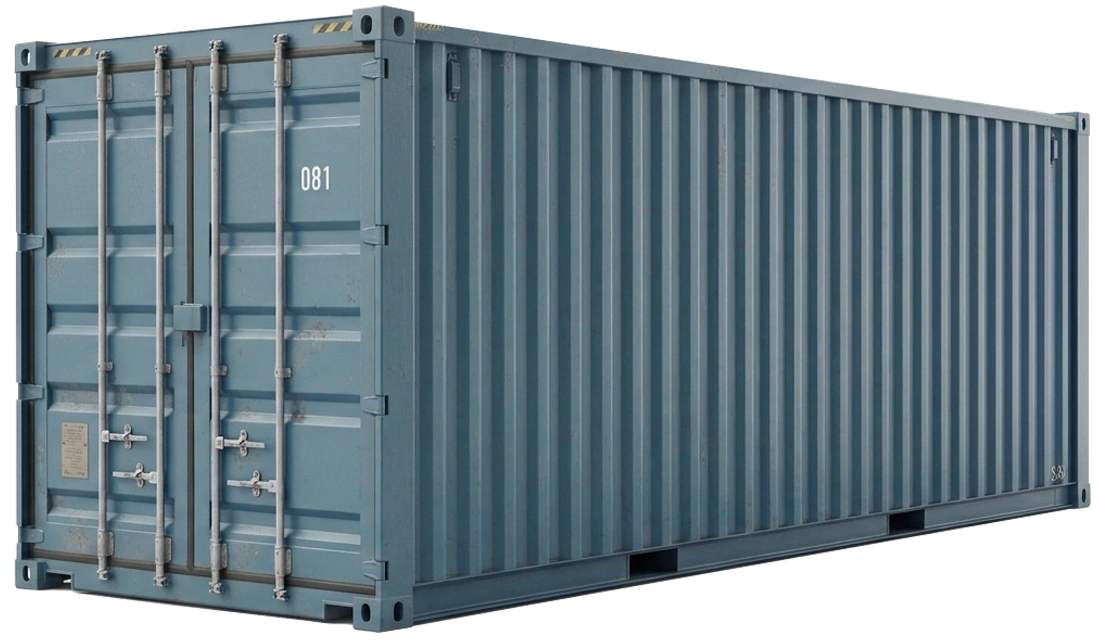
40ft New Shipping Container Overview
A new or one-trip 40ft shipping container provides substantial enclosed storage with limited previous use. These containers are commonly considered for customers who want a cleaner condition for storage, commercial use, construction, agricultural applications, workshops, and conversion projects.
The 40ft format provides more floor space than a 20ft container while maintaining the standard shipping-container footprint and handling system. Iron Box offers new 40ft containers based on current availability, configuration, delivery location, and intended use.
40ft New Container Pricing
The current price for a new or one-trip 40ft shipping container from Iron Box is approximately $5,000–$5,400. Pricing can vary by container configuration, availability, delivery location, and requested modifications.
Current 40ft New Container Price
Standard 40ft: Approximately $5,000
Standard 40ft: Approximately $5,000
Contact Iron Box for current availability and a delivery-based quote. Pricing should be confirmed before purchase because container availability and transportation requirements can change.
Types and Conditions of New 40ft Shipping Containers
New 40ft containers are available in standard and high-cube configurations, with one-trip containers representing the primary new-container category. The specific container, manufacture date, condition, and configuration should be confirmed before purchase.
Standard New 40ft Shipping Containers
A standard 40ft container provides the conventional 40ft shipping-container configuration with enclosed storage space, steel construction, cargo doors, and a container floor. It can be used for equipment, materials, inventory, agricultural supplies, and general storage.
The standard height can also be suitable where available site clearance or overall container height is a consideration.
New 40ft High Cube Shipping Containers
A 40ft high cube container provides additional exterior and interior height compared with a standard-height 40ft container. The additional vertical space can be useful when storing taller equipment or when planning a conversion where interior height matters.
High cube containers are also relevant to customers considering workshops, offices, and ADU conversion projects.
One-Trip 40ft Shipping Containers
One-trip is the common industry term used for containers that have had limited previous transportation use before being sold. These containers are generally selected when the buyer wants newer condition and a cleaner appearance than a conventional used container.
Iron Box’s research identifies one-trip 40ft containers as a primary buyer segment for this page, particularly for customers considering new-container purchases and ADU projects.
What Is a One-Trip Shipping Container?
A one-trip shipping container is a container that has been used for limited transportation before entering the resale market. The term describes its shipping history rather than meaning that the container has never been used.
Because individual containers can differ, buyers should verify the manufacture information, container markings, interior condition, flooring, doors, and overall structural condition before purchase.
One-Trip vs. New Shipping Containers
The terms new and one-trip are often used together when discussing newer shipping containers. A one-trip container has had limited transportation use, while “new” can describe the condition or sales category used by a dealer.
For buyers, the important factors are the container’s actual condition, manufacturing information, configuration, flooring, doors, and intended application rather than the label alone.
How to Verify a One-Trip Container
A buyer can review the container’s CSC safety plate and manufacturing information as part of the verification process. The interior should also be checked for cargo residue, staining, damage, floor condition, wall condition, and signs of repairs.
Iron Box’s research specifically identifies the CSC plate, manufacture date, interior condition, flooring, dents, welds, and cargo staining as useful verification points.
New 40ft Shipping Container Specifications
New 40ft containers generally follow standard shipping-container dimensions, although exact measurements and weights can vary by manufacturer and configuration. Buyers planning storage, delivery, or conversion projects should confirm the specifications of the individual container.
New 40ft Container External Dimensions
A standard 40ft container is approximately 40 feet long and 8 feet wide. A high cube version maintains the same basic length and width while providing additional height.
External dimensions are important for transportation, site access, placement, property setbacks, and overhead clearance.
New 40ft Container Internal Dimensions
The internal dimensions provide the usable storage area inside the container. Actual interior measurements vary slightly depending on construction and manufacturer.
Before purchasing, measure the equipment, materials, shelving, or other items that will be stored inside and compare those measurements with the container’s confirmed interior dimensions.
New 40ft Container Weight & Capacity
A 40ft container provides substantial enclosed storage capacity, but its empty weight and maximum allowable cargo weight depend on the individual container and applicable specifications.
For heavy equipment or concentrated loads, buyers should consider the cargo weight, floor condition, loading method, and delivery requirements rather than relying only on the container’s overall capacity rating.
New 40ft Container Construction & Compliance
A shipping container uses a structural steel frame with corrugated steel panels, corner castings, cargo doors, locking hardware, and a container floor. Shipping containers are manufactured for transportation and handling through standard container systems.
The individual container’s identification plate and documentation can provide important information about its specifications and safety markings.
Features of New 40ft Shipping Containers
New and one-trip containers are commonly selected when condition, appearance, and interior cleanliness are important. Their features also make them suitable for storage and projects where the container will later be modified.
Cargo Doors & Locking Hardware
The cargo doors provide the primary access point for loading equipment, materials, inventory, and other items. Locking hardware secures the doors when the container is not being accessed.
Before delivery, confirm that the doors open and close correctly and that the placement area provides enough room for full door operation.
Factory-Installed Container Flooring
Shipping containers are manufactured with a built-in floor designed for cargo transportation. The flooring condition is particularly important for buyers who plan to store equipment, materials, tools, or inventory.
One-trip containers are often considered when a buyer wants newer flooring and a cleaner interior condition.
Weather-Resistant Steel Construction
The steel structure and exterior panels provide an enclosed storage shell that can be used outdoors when the container is appropriately placed and maintained.
Oregon’s wet conditions make drainage, placement, roof condition, and ongoing maintenance important considerations for long-term outdoor storage.
Clean Interior Condition
New and one-trip containers generally provide a cleaner interior condition than older used containers. This can matter when storing business inventory, equipment, agricultural supplies, or materials that need separation from previous cargo.
The actual interior should still be inspected because condition can vary between individual containers.
40ft Container Storage Capacity
The 40ft format provides a large enclosed storage area for equipment, inventory, construction materials, agricultural supplies, and business items.
Its length also allows customers to organize storage using shelving, pallets, racks, or designated equipment areas while keeping the container’s original structure intact.
What Can You Use a New 40ft Container For?
A new 40ft container can serve as a storage structure or starting point for a larger conversion project. The appropriate configuration depends on the materials being stored, property conditions, delivery access, and whether modifications are planned.
Storage & Equipment
A 40ft container can store tools, machinery, equipment, building materials, landscaping supplies, and other large items that require enclosed space.
The secure steel structure also allows storage to be separated from weather exposure and kept in a defined location on a property.
Construction & Job Sites
Construction companies can use 40ft containers for tools, materials, equipment, and job-site storage. The enclosed format provides a centralized storage area that can remain on a project site during construction.
Delivery and placement should be planned around site access, equipment movement, and the stage of construction.
Agricultural & Farm Storage
Farms and agricultural operations can use 40ft containers for equipment, tools, feed-related supplies, materials, and seasonal storage.
For agricultural properties, the delivery area should be assessed for soil conditions, access, drainage, and the ability of the site to support the container during placement.
Business & Inventory Storage
Businesses can use new 40ft containers for inventory, supplies, equipment, records, and overflow storage. The enclosed structure can provide additional storage without requiring a permanent building immediately.
For commercial use, consider access frequency, loading requirements, security, and the space required around the container.
Workshops & Workspaces
A 40ft container can be modified into a workshop, office, or other functional workspace. Windows, doors, insulation, electrical systems, ventilation, and other improvements can be added depending on the project.
For more extensive conversions, planning should account for structural modifications and applicable local requirements.
ADU & Container Conversion Projects
New and one-trip 40ft containers are also considered for ADU and container-conversion projects. A high cube configuration provides additional vertical space that can be relevant when designing an interior living area.
A container intended for residential use should be evaluated separately from a container used only for storage because building-code, zoning, structural, insulation, electrical, plumbing, and permitting requirements may apply.
New 40ft Shipping Container Delivery in Oregon
Delivery is an important part of purchasing a 40ft container because the truck and unloading equipment require adequate access to the placement area. Site conditions can affect the delivery process and final cost.
Delivery Requirements
The delivery location should provide enough road access for the delivery vehicle and sufficient space for unloading the container. Narrow roads, low branches, overhead wires, steep approaches, and restricted driveways can create delivery limitations.
Customers should discuss the site with Iron Box before scheduling delivery.
Container Placement
A 40ft container should be placed on a suitable surface that provides adequate support and drainage. The placement area should also allow access to the cargo doors.
Level placement can help the doors operate correctly and can reduce problems associated with uneven ground.
40ft Container Delivery Clearance
The delivery route needs adequate width, height, turning space, and unloading clearance. The property entrance may be suitable for a smaller vehicle but still present limitations for a container delivery truck.
Confirm the route from the public road to the final placement area before delivery is scheduled.
Oregon Soil & Seasonal Delivery Considerations
Oregon properties can have wet or soft ground conditions, particularly during periods of heavy rainfall. Rural and agricultural sites may require additional attention to ground conditions before a heavy container is delivered.
Seasonal demand can also affect availability and lead times. The supplied research identifies August through November as a higher-demand period and January through February as a lower-demand period.
New 40ft Shipping Container vs. Other Options
The right container depends on condition, budget, height, intended use, and whether the container will remain as storage or become part of a conversion project.
New vs. Used 40ft Shipping Containers
A new or one-trip container generally provides a newer condition and cleaner interior than a conventional used container. A used container may provide a lower purchase price but can have more visible wear, dents, repairs, or flooring deterioration.
For either option, inspect the actual container and consider the intended use before purchase.
One-Trip vs. Cargo-Worthy Containers
A one-trip container has limited previous transportation use, while cargo-worthy describes a container that meets requirements for continued shipping use.
These terms describe different aspects of the container. A buyer should consider condition, documentation, intended use, and price when comparing available units.
Standard 40ft vs. 40ft High Cube
The primary difference is height. A high cube provides additional vertical space while maintaining the 40ft length and approximately 8ft width.
Standard containers can work well for general storage, while the additional height of a high cube can be relevant for taller equipment, workshops, and conversion projects.
New 40ft Container vs. Metal Building
A shipping container provides a pre-engineered steel enclosure that can be delivered as a single structure. A metal building is constructed on site and can offer greater flexibility in footprint, height, openings, and interior layout.
The choice depends on the project size, property requirements, construction plans, delivery access, and intended use.
Is a New 40ft Container Right for an ADU?
A new 40ft container can be considered as the structural starting point for an ADU conversion, but an ADU project involves requirements beyond the container itself. Building design, insulation, utilities, structural modifications, zoning, and permits all need to be evaluated.
One-Trip Containers for ADU Projects
One-trip containers can be considered for ADU projects where the buyer wants a newer container with limited previous use and a cleaner starting condition.
The individual container should still be inspected before purchase, particularly around the floor, walls, roof, doors, corner castings, and structural frame.
Standard vs. High Cube for ADU Conversion
The additional height of a 40ft high cube can provide more interior vertical space for an ADU conversion. This can affect ceiling design, insulation, lighting, mechanical systems, and the overall interior layout.
Whether a particular configuration satisfies residential requirements depends on the complete building design and applicable code requirements.
New Container ADU Requirements in Oregon
Turning a shipping container into an ADU is different from using one for ordinary storage. Residential projects can involve structural engineering, insulation, ventilation, electrical, plumbing, energy requirements, windows, doors, and other building components.
The container should therefore be treated as one part of the overall building system rather than the finished dwelling itself.
Lane County ADU Permitting Considerations
Lane County and other Oregon jurisdictions can have specific requirements for residential development, zoning, setbacks, utilities, and building permits. Requirements can vary by property and jurisdiction.
Confirm the applicable requirements with the relevant local planning and building departments before purchasing a container specifically for an ADU project.
Can You Modify a New 40ft Shipping Container?
A new 40ft container can be modified for storage, commercial, workshop, office, and conversion applications. Modification planning should happen before cutting or altering the container because structural changes can affect the finished project.
Common New 40ft Container Modifications
Common modifications include personnel doors, windows, roll-up doors, ventilation, insulation, electrical systems, shelving, partitions, and interior finishes.
The modification package should match the container’s intended function and the requirements of the final site.
Doors, Windows & Roll-Up Doors
Additional doors and windows can improve access, daylight, ventilation, and usability. Roll-up doors can also make it easier to move equipment or larger materials in and out of a 40ft container.
Opening locations should be planned before fabrication to maintain the appropriate structural support.
Insulation, Ventilation & Electrical
Insulation can improve temperature control and reduce condensation concerns when a container is converted into a workspace or occupied structure. Ventilation can also help manage moisture and interior air conditions.
Electrical installations should be designed and completed according to the requirements of the intended application.
Workshop, Office & Commercial Conversions
A new 40ft container can be modified into a workshop, office, inventory room, equipment enclosure, or other commercial structure
For custom container projects, the modification design should be established before delivery where possible.
Do You Need a Permit for a New 40ft Container in Oregon?
Permit requirements depend on how and where the container is used. A container used for temporary or basic storage can be treated differently from one that is permanently placed, modified, connected to utilities, or incorporated into a residential project
When a New 40ft Container May Require a Permit
Local requirements may apply based on property zoning, placement, size, setbacks, intended use, foundation, utility connections, and modifications.
Because requirements differ between jurisdictions, check with the applicable local authority before installation.
New Containers on Residential Property
A container placed on residential property may be subject to zoning, setback, accessory-structure, or other local requirements. The fact that the container is manufactured as a shipping unit does not automatically determine how a local jurisdiction will classify its use.
Confirm the requirements for the specific property before delivery.
New Containers for ADU Projects
An ADU conversion involves substantially more requirements than ordinary storage. Residential building codes, structural requirements, energy provisions, utilities, and local permitting can all affect the project.
The container should be selected only after the basic ADU design and local requirements are understood.
Oregon Zoning and Placement Considerations
Zoning can affect where a container can be placed, how many structures are allowed, required setbacks, and whether the container can remain permanently on the property.
Local rules may differ between cities, counties, and rural areas, so property-specific confirmation is important.
When Container Modifications Affect Permits
Cutting openings, adding electrical systems, plumbing, insulation, foundations, or converting a container into an occupied structure can introduce additional requirements.
Before modifying a container, determine whether the proposed work requires permits, engineering, inspections, or approval from the local jurisdiction.
Why Buy a New 40ft Shipping Container From Iron Box?
ron Box serves Oregon customers looking for new and one-trip shipping containers for storage and project applications. The new-container page is focused on buyers who want a newer condition and need information about pricing, configuration, delivery, and intended use.
01
Oregon-Based Container Dealer
Iron Box serves customers throughout Oregon, including the Eugene and Lane County area, Willamette Valley, and other delivery locations.
The supplied keyword research specifically identifies Eugene, Lane County, Creswell, Willamette Valley, and Southern Oregon as relevant geographic markets for new 40ft containers.
02
One-Trip Container Availability
One-trip 40ft containers are a key part of the new-container buyer segment. Availability can change, so customers should confirm the current container type, condition, configuration, and manufacturing information before purchasing.
03
Inspect Before You Buy
Although new and one-trip containers generally require less condition assessment than older used units, inspecting the actual container remains useful.
Check the exterior, doors, locking hardware, floor, roof, walls, corner castings, identification plate, and interior before finalizing the purchase.
04
Current New 40ft Pricing
Iron Box’s supplied research identifies current new/one-trip pricing at approximately $5,000 for standard 40ft and $5,400 for 40ft high cube.
Contact Iron Box to confirm current pricing and delivery costs for your location.
05
Delivery & Modification Support
The container purchase can also involve delivery planning and modifications. Discuss the intended use, placement location, access conditions, and required modifications before delivery so the container configuration matches the project.
Frequently Asked Questions
Get a Quote for a New 40ft Shipping Container
Looking for a new 40ft shipping container for sale in Oregon? Iron Box can provide current availability, container configuration, pricing, and delivery information based on your location and intended use.
Whether you need a one-trip container for storage, equipment, inventory, agricultural use, a workshop, or a planned conversion, contact Iron Box to discuss the available 40ft options.