
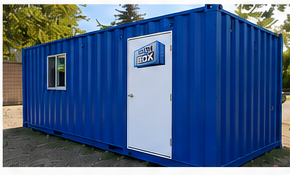
Turning a steel box into a real shipping container workshop comes down to five modifications, not a full custom build from scratch. Add the right combination of shelving, power, and climate control, and a standard container becomes a secure, weatherproof space for tools, projects, or a vehicle, usually faster and for less than a stick-built garage addition.
This guide walks through the five modifications that do the heavy lifting, written by the team at Iron Box, Oregon’s own shipping container dealer, based out of our yard in Creswell, where we build these conversions in-house.
Quick Answer: A container workshop typically combines heavy-duty shelving, an integrated workbench, electrical and lighting, insulation and ventilation, and upgraded access like a roll-up door or windows. You don’t need all five on day one. Most owners start with the essentials and add features as the budget allows.
1. Heavy-Duty & Adjustable Shelving
Shelving is usually the first modification, and for good reason: it turns an empty steel box into organized storage on day one. Heavy-duty steel shelving holds tools and equipment without sagging over time, while adjustable shelving systems let you reconfigure the layout as your projects change. Pegboards, wall-mounted racks, and specialty holders keep frequently used tools within reach instead of buried in a bin.
2. An Integrated Workbench
A dedicated workbench gives you a fixed area for repairs, fabrication, assembly, or maintenance instead of working off a folding table that has to be set up and broken down every time. Built into the layout from the start, it also keeps the rest of the container’s modular interior free for shelving, equipment, or a vehicle.
3. Electrical & Lighting
Power is what separates a storage box from an actual workshop. A container electrical and lighting package gets you outlets for power tools and real light to work by, instead of relying on a headlamp or whatever daylight comes through the door.
4. Insulation & Ventilation
Insulation and ventilation is what makes a container usable through an actual Oregon winter or summer, not just a fair-weather shed. Without it, a steel box swings to extremes in both directions. With it, you get a space you can actually work in year-round, which matters more than almost any other modification on this list if you plan to use the workshop regularly.
5. Roll-Up Doors, Windows & Interior Doors
Standard cargo doors work, but a roll-up door makes a huge difference if you’re moving equipment, a vehicle, or large materials in and out regularly. Windows add natural light and make the space feel less like a shipping container and more like a shop, while a separate personnel door means you’re not opening the full cargo doors just to grab a tool.
What Does a Container Workshop Cost?
Iron Box doesn’t publish flat workshop conversion pricing, since the real number depends on container size, shelving layout, workbench requirements, and which modifications (electrical, insulation, ventilation, doors) you add. A bare container is the starting point, and every modification on this list adds to that base. The most accurate way to budget is to request a quote with the specific combination you’re considering.
The good news: you don’t have to build the full list at once. Shelving and a workbench now, electrical and insulation later, is a completely normal way to phase a container workshop in as budget allows.
Why Oregon Buyers Choose Iron Box
Iron Box has delivered 1,000+ containers across Oregon, and modifications happen in-house, not subcontracted out:
- Oregon-owned and operated. You’re talking to a local team operating out of our own yard in Creswell, OR.
- Modifications happen in-house. Shelving, electrical, insulation, and doors are all done in our own Creswell shop.
- Every container is inspected before delivery. Each unit gets a pre-delivery quality inspection and an honest condition grade.
- Add features in phases. Start with what you need now and add modifications later without starting over.
Frequently Asked Questions
How much does it cost to convert a shipping container into a workshop?
It depends on container size, shelving layout, workbench requirements, and which modifications you add, like electrical, insulation, or ventilation. Iron Box doesn’t publish flat pricing because of how much that combination varies. Request a quote with your specific setup in mind for an accurate number.
What size container is best for a workshop?
20ft containers work well for a compact workshop or single workstation, while 40ft containers (especially 40ft High Cube, for extra ceiling height) give you room for multiple workstations, a vehicle, or more extensive shelving. The right size depends on what you’re building and how much equipment you need to store.
Do I need electrical and insulation for a container workshop?
Not strictly, but most owners find both make the difference between a usable workshop and a glorified storage box. Electrical gives you power for tools and real lighting. Insulation and ventilation keep the space workable through Oregon’s wet winters and warm summers instead of becoming unusable in extreme weather.
Can I add tool storage and workbenches to my container?
Yes. Heavy-duty and adjustable steel shelving, pegboards, wall-mounted racks, and integrated workbenches are all standard options for a container workshop build-out, and they’re usually the first modifications owners add since they turn an empty container into organized, usable space immediately.
Is a shipping container sturdy enough to be used as a workshop or garage?
Yes. Steel shipping containers are built to carry heavy cargo loads and survive rough ocean handling, which makes them more than sturdy enough for tools, equipment, and vehicle storage. Structural integrity isn’t a concern with a properly graded container; the real planning questions are around power, climate control, and access.
Can I add features to my container workshop later instead of all at once?
Yes, and it’s a common approach. Shelving and a workbench can go in first, with electrical, insulation, or a roll-up door added later as budget allows. There’s no requirement to build out the full workshop in one pass, which makes it easier to start using the space sooner.
Does Iron Box deliver workshop-ready containers across Oregon?
Yes. Iron Box delivers containers and completed workshop modifications throughout Oregon, out of our Creswell yard. Whether you’re ordering a bare container to modify yourself or a fully built-out workshop setup, delivery covers the counties we serve statewide, not just the area immediately around Lane County.
What’s the difference between a container workshop and a container garage?
Mostly intended use rather than the modifications themselves. A workshop setup leans on shelving, a workbench, and tool organization, while a garage conversion usually prioritizes a roll-up door for vehicle access. Many owners combine both, since the two use cases share most of the same underlying modifications.
Ready to Build Your Workshop?
Whether you want a full build-out or just the essentials to start, Iron Box can help you figure out which modifications make sense for your space and budget. No pressure, just a straight answer on what fits.
Explore Workshop Customization Options or call (541) 246-4696 (Mon–Fri, 8am–5pm) to talk to a real person on our team who actually knows the inventory.