
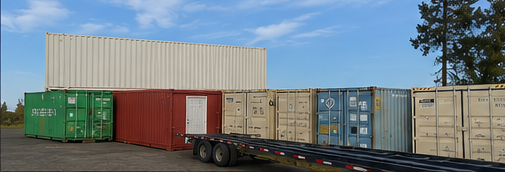
A refrigerated shipping container, often called a reefer, solves a specific problem: real cold storage you can place anywhere, without building a walk-in cooler from scratch. For Oregon farms, wineries, and businesses with seasonal cold-storage spikes, that flexibility often matters more than owning a fixed structure that sits half-empty most of the year.
This guide covers how refrigerated containers actually work, who uses them in Oregon, and how to decide between renting and buying one. It’s written by the team at Iron Box, Oregon’s own shipping container dealer, based out of our yard in Creswell.
Quick Answer: A refrigerated container (reefer) pairs a heavily insulated steel shell with a dedicated cooling system, available in 20ft and 40ft sizes for rent or purchase. Renting usually makes sense for seasonal needs like harvest season; buying tends to pay off when you need cold storage continuously, year after year.
How a Refrigerated Container Actually Works
A refrigerated container is an insulated steel container equipped with a refrigeration system, and the distinction matters: insulation alone does not actively cool the space. It only slows heat transfer. The refrigeration system is what actually does the cooling, working together with the insulated shell to maintain temperature. The cooling equipment itself is located at one end of the container, which also gives technicians outside access for service without needing to go inside.
Refrigerated containers require electrical power appropriate for the refrigeration equipment installed, and exact operating temperatures, power requirements, and capabilities depend on the particular unit, so those specifics should be confirmed before delivery rather than assumed.
Who Uses Refrigerated Containers in Oregon
Cold storage demand in Oregon is rarely steady year-round, which is a big part of why refrigerated containers make sense here:
- Farms throughout Lane County and surrounding Oregon communities use refrigerated containers for produce, harvested goods, seeds, and starters, often as seasonal or extra capacity rather than a permanent fixture.
- Wineries and breweries across the Willamette Valley see cold-storage demand that isn’t constant throughout the year, peaking hard during harvest for barrel and product storage.
- Events and festivals often need additional cold storage for only a few days or weeks, making a rental far more practical than any fixed structure.
- Other common uses include temperature-sensitive ingredients, overflow cold-storage capacity during production surges, and temporary storage during facility improvements.
What Sizes Are Available?
Refrigerated containers are commonly available in 20ft and 40ft configurations, for rent or purchase. Exact availability depends on current inventory, which changes, so it’s worth checking in before assuming a specific size is ready to go.
Rent or Buy a Refrigerated Container?
The same logic from our rent vs. buy guide applies here, with an extra wrinkle: cold storage needs are often seasonal in a way regular storage isn’t. Renting often makes sense for temporary or seasonal needs, like harvest season or an event. Purchasing may be more economical when cold storage is needed continuously or returns predictably year after year, since you’re not paying rental rates every season for the same recurring need.
What Does a Refrigerated Container Cost?
There isn’t one meaningful flat price for every refrigerated container. Cost depends on container size, equipment condition, whether you’re renting or buying, rental length if applicable, delivery location, and any requested paint or finish work. Call or text (541) 246-4696 to discuss current availability and get a quote based on your specific requirements.
Why Oregon Buyers Choose Iron Box
Iron Box has delivered 1,000+ containers across Oregon, refrigerated units included:
- Oregon-owned and operated. You’re talking to a local team operating out of our own yard in Creswell, OR.
- Rent or buy, your call. Both options are available depending on how long you actually need cold storage.
- Every container is inspected before delivery. Each unit gets a pre-delivery quality inspection and an honest condition grade.
- Local Willamette Valley and Lane County experience. We understand the seasonal cold-storage patterns that drive demand here, not just generic reefer specs.
Frequently Asked Questions
What’s the difference between an insulated and a refrigerated container?
An insulated container helps reduce heat transfer but does not actively cool its interior. A refrigerated container adds a dedicated cooling system on top of that insulation, which is what actually brings the temperature down rather than just slowing how fast it rises or falls.
Is “reefer container” the same thing as a refrigerated container?
Yes. Reefer container is simply the common industry term for a refrigerated shipping container. You’ll see both terms used interchangeably across the shipping and storage industry, so searching either one should point you toward the same type of unit when you’re comparing options.
What sizes do refrigerated containers come in?
Refrigerated containers are commonly available in 20ft and 40ft configurations, for rent or purchase. Current inventory availability can change, so it’s worth confirming what’s actually in stock for your preferred size before finalizing plans around it, especially if your timeline is tight.
How much power does a refrigerated container need?
It depends on the specific unit. Refrigerated containers require electrical power appropriate for their refrigeration equipment, and exact requirements vary by the installed system. Electrical specifications should be confirmed before delivery so your site is properly prepared to power the unit.
Should I rent or buy a refrigerated container?
Renting often makes more sense for temporary or seasonal needs, like harvest season or a short event. Buying may be more economical when cold storage is needed continuously or recurs predictably year after year, since ongoing rental costs eventually outweigh a one-time purchase.
Who typically uses refrigerated containers in Oregon?
Farms, wineries, and breweries across Lane County and the Willamette Valley are common users, especially during harvest season when cold-storage demand spikes hard. Events, festivals, and businesses with temporary or overflow cold-storage needs also rent refrigerated containers for short stretches rather than committing to a purchase.
How much does a refrigerated container cost?
There isn’t one flat price, since cost depends on size, equipment condition, rental versus purchase, rental length, delivery location, and any requested finish work. Contact Iron Box for current inventory and a quote based on your specific requirements rather than a generic estimate.
Does Iron Box deliver refrigerated containers across Oregon?
Yes. Iron Box delivers refrigerated containers out of our Creswell yard to the counties we serve across Oregon, with particular experience serving the seasonal cold-storage needs of Lane County farms and Willamette Valley wineries and breweries throughout harvest season and beyond.
Need Cold Storage for Your Next Season?
Whether it’s harvest season, an event, or year-round cold storage, Iron Box can help you figure out the right size and whether renting or buying makes more sense for your timeline.
Get a Reefer Container Quote or call (541) 246-4696 (Mon–Fri, 8am–5pm) to talk to a real person on our team who actually knows the inventory.